

How Functional Training Builds Strength That Matters in Everyday Life

by Chris Kon 11/13/2025
Ever notice that being “fit” in the gym doesn’t always help with real life? You might lift heavy but still struggle to carry a box, bend down, or climb stairs without trouble.
Functional training fixes that gap. It trains whole movements, not just single muscles. So instead of only doing isolated lifts, you practise squats, carries, hinges and steps. Those moves mimic how you move at home, work, and out with the kids.
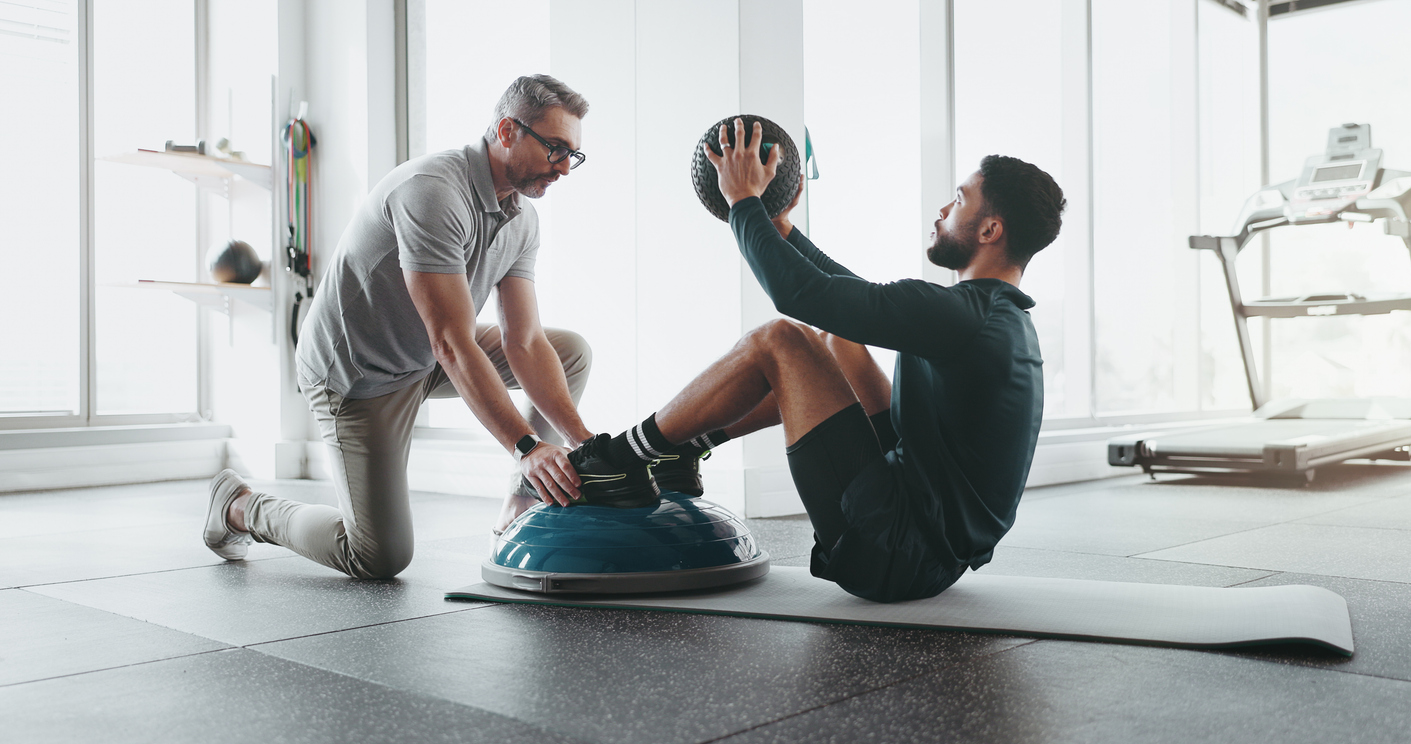
Local specialists use this approach every day. Exercise physiology looks at how you move. They spot weak links, set simple goals, and build a plan you can actually use. That plan focuses on balance, grip, posture and safe lifting, the basics for daily life.
Whether you’re getting over an injury, living with ongoing pain, or just want to feel more capable, functional training helps. It’s not about big numbers in a bar. It’s about doing life with less effort and more confidence.
What Is Functional Training and Why It Matters
At its core, functional training is about preparing your body for real-life movement. Instead of isolating muscles (like traditional weight training), it focuses on patterns you use every day, squatting, hinging, pushing, pulling, carrying, and rotating.
Think of it like this:
- Squats help you stand up from a chair.
- Deadlifts prepare you to pick something up safely.
- Carries train your grip and posture for daily lifting tasks.
- Step-ups make climbing stairs or curbs easier.
These movements don’t just build muscle. They improve coordination, balance, and stability, the stuff that keeps you moving confidently at any age.
For people working with an exercise physiologist, this approach goes beyond fitness. It’s about long-term function, recovery, and living without limits.
Turning Gym Gains into Everyday Strength
Functional training isn’t about fancy equipment or high-intensity workouts.It’s about training smarter so that strength transfers directly into how you move daily.
Here’s what happens when your program focuses on function:
- Improved mobility: You move with more ease, bending or reaching without strain.
- Better balance: Everyday tasks like walking on uneven ground or getting out of a car feel more stable.
- Injury prevention: Strong stabilising muscles protect your joints during sudden movements.
- Real-life strength: Whether it’s lifting laundry or carrying your child, your strength now serves a purpose.
An exercise physiology professional designs workouts that target exactly what your body needs to do better, not just look better.
How Exercise Physiologists Make the Difference
Not all fitness professionals are the same. An exercise physiologist is a university-qualified allied health expert who uses exercise as medicine. They work with people of all ages, including those managing chronic health conditions, pain, or recovering from surgery.
Here’s what sets them apart:
- They understand the body’s response to exercise at a scientific level.
- They tailor every session to your condition, fitness level, and goals.
- They focus on measurable, functional outcomes, not just appearance.
So while a personal trainer might help you lift heavier weights, an exercise physiologist helps you move through life stronger, safer, and pain-free.
You might see them for exercise rehabilitation after surgery, or for ongoing management of chronic issues like back pain or arthritis. Either way, every exercise has a clear purpose tied to your daily function.
Managing Pain Through Movement
Living with persistent pain can feel discouraging. Many people avoid exercise out of fear it might make things worse.
But carefully guided movement, the kind designed by an exercise physiologist for chronic pain, can actually help reduce pain over time.
Pain often leads to less movement, which causes stiffness and weakness. That creates a cycle that makes daily tasks harder.
Exercise physiology breaks that cycle.
Here’s how it works:
- Gradual exposure: You start small, gently reintroducing movement your body trusts.
- Education: Understanding how pain works reduces fear and builds confidence.
- Consistency: Regular movement retrains the nervous system to tolerate activity again.
Functional Training for Older Adults
As we age, staying active isn’t just about fitness, it’s about independence.
Losing muscle strength, balance, or confidence can make everyday tasks harder and increase the risk of falls.
That’s why many people work with an exercise physiologist for elderly clients. Functional training helps older adults regain control and live more freely.
Here’s what it targets:
- Balance: Exercises like single-leg stands and step-ups reduce fall risk.
- Strength: Chair squats and light resistance work help with getting up, climbing, and reaching.
- Mobility: Controlled movements keep joints flexible and pain-free.
- Confidence: Knowing you can move safely brings a huge boost in independence.
Functional training for seniors doesn’t mean pushing limits.
It’s about finding the right challenge, enough to stimulate progress, but always safe and comfortable.
Even simple movements like sitting and standing repeatedly from a chair can make a big difference in strength and confidence.
Personalised Programs That Fit You
No two bodies are the same, and no single workout fits everyone. That’s why personalised exercise programs matter so much, especially when dealing with pain, injury, or age-related changes.
When you work with an exercise physiologist, your program is tailored to your needs. It usually includes:
- Initial assessment: Checking your posture, flexibility, and movement habits.
- Goal setting: What do you want to achieve, pain-free walking, lifting safely, climbing stairs?
- Progress tracking: Measuring improvements in mobility, endurance, or confidence.
- Education: Learning why each exercise matters and how to do it properly.
Every movement has a purpose, whether it’s helping you return to work, enjoy weekend walks, or keep up with the grandkids.
When Exercise Becomes Rehabilitation
After an injury, surgery, or health setback, the body needs structured care to regain strength safely. Exercise rehabilitation focuses on rebuilding function step by step, retraining your muscles, balance, and confidence.
A qualified exercise physiologist designs a plan that restores normal movement and reduces the risk of re-injury.
Typical rehab programs include:
- Low-impact functional drills like squats, bridges, and step-ups.
- Balance and coordination exercises for joint stability.
- Strength progression based on your comfort and tolerance.
Rehabilitation is not about rushing recovery. It’s about quality movement and gradual strength. Over time, functional training bridges the gap between therapy and everyday independence.
Bringing Functional Training to Your Home
Not everyone can make it to a clinic. That’s why many professionals now offer mobile exercise physiologist services, a flexible way to receive care wherever you are.
A mobile EP brings everything needed for your session, from resistance bands to small weights and balance tools.
It’s perfect for those who:
- Have limited mobility or transport options.
- Prefer privacy or convenience at home.
- Need consistent care without the travel.
There’s also telehealth, online exercise physiology sessions that connect you with a professional through video. This is great for progress check-ins, technique guidance, or ongoing support between visits.
For many clients in Western Sydney, these mobile and online options make care far more accessible and sustainable.
Who Benefits Most from Functional Training
Functional training can help just about anyone move better, but some groups gain even more from this approach. It’s not just for athletes, it’s for anyone who wants to stay active, strong, and confident in daily life.
- People Living with Chronic Pain: Gentle, progressive movement can ease stiffness and reduce pain over time. Working with an exercise physiologist for chronic pain means every movement is safe, supported, and tailored to how your body feels that day. It’s not about pushing through pain, it’s about rebuilding trust in your body and finding ways to move comfortably again.
- Older Adults: For older adults, functional training supports independence. It strengthens the muscles used for sitting, standing, walking, and balance, all key for avoiding falls and staying mobile. An exercise physiologist for elderly clients designs sessions that are safe, steady, and focused on confidence as much as strength.
- Post-Surgery Clients: After surgery, regaining movement can feel daunting. Structured exercise rehabilitation programs focus on restoring normal patterns of movement while protecting healing tissues. Guided training helps rebuild strength, balance, and coordination at a pace that suits your recovery.
- Busy Adults: If you’re short on time, functional training offers efficient workouts that make sense for real life. With personalised exercise programs, you can build practical strength that transfers to everything, from lifting groceries to chasing kids. It’s fitness with purpose, not just gym time.
- NDIS and Aged Care Clients: People supported under the NDIS or in aged care often benefit from flexible, accessible sessions. A mobile exercise physiologist can visit at home or in the community, bringing the equipment and guidance needed. This makes it easier to stay consistent and achieve health goals without travel barriers.
Why Local Exercise Physiology in Western Sydney Matters
Health and movement needs vary across communities. In Western Sydney, many people juggle long commutes, physical jobs, or family care responsibilities. That mix makes access and flexibility crucial.
Working with a local exercise physiology in Western Sydney means you get:
- Professionals familiar with the area’s needs and healthcare pathways.
- Access to home visits, telehealth, or local clinics.
- Support that fits your lifestyle, not the other way around.
Exercise physiologists here often collaborate with GPs, physiotherapists, and NDIS coordinators to make care seamless and effective.
Whether you’re in Westmead, Penrith, Parramatta, or Blacktown, there’s likely an accredited EP nearby ready to help you start moving better.
The Author





No Comment